
Background
- Urban environments influence physical and mental wellbeing
- Inserting colour and nature into urban design of public spaces has been found to incrase happiness, social trust and attachment to one’s surroundings
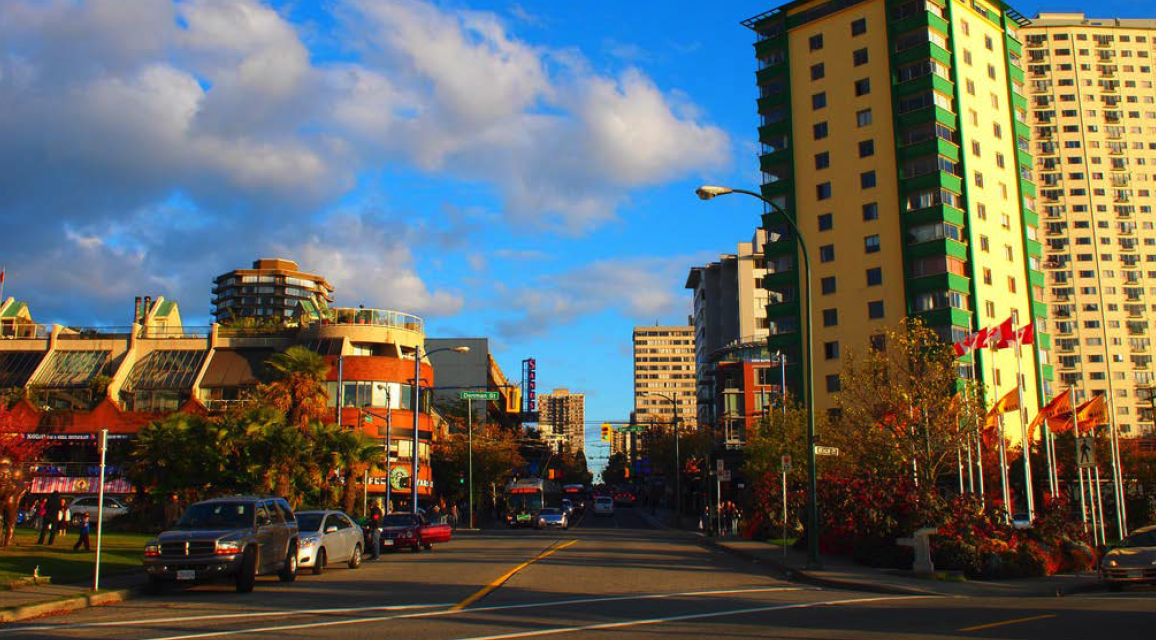
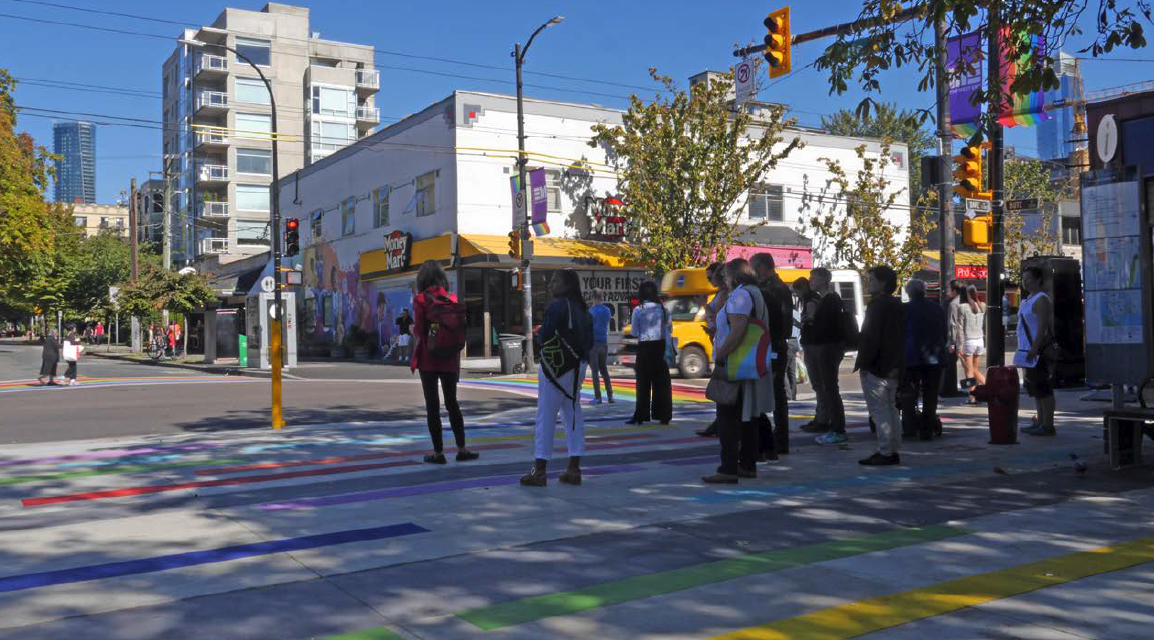
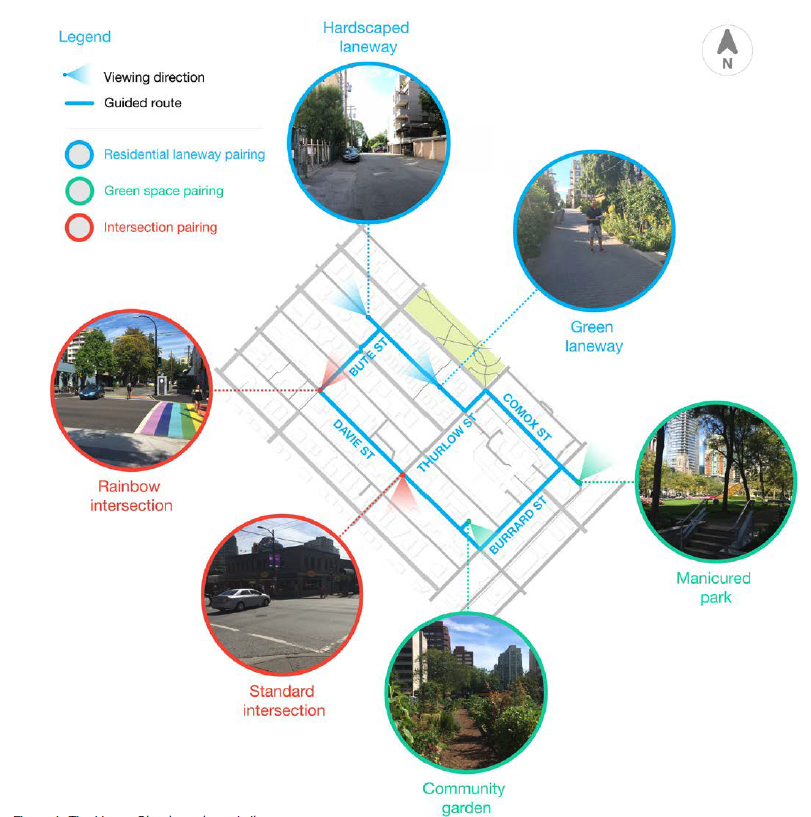
- Vancouver’s West End has invested in multiple public space interventions around the neighbourhood (public space enhancement)- green garden laneways, communal gardens, rainbow crosswalks (in the central LGBTQ community), etc.
Concept
- Experiment explored the effect of public space interventions on physical and mental wellbeing – in particular, peoples sense of trust in strangers, their feelings of happiness, and their emotional attachment to said locations
- In the interest of boosting positive social connections between people, it’s pertinent to measure the effects of these urban design enhancements on visitors emotions and attitudes towards others
- This experiment focused on four contributors to wellbeing:
- Social trust (positive social connections are the strongest contributor to human happiness and are linked to resilience, health and economic success);
- Place attachment (the emotional bond between person and place – people are more likely to regularly visit and care for a location they feel a sense of attachment to);
- Comfort (influences wellbeing; people are more likely to be active and socialise in public spaces they feel comfortable in);
- Belonging (people who feel connected to their community report higher trust in others and higher levels of happiness).
- Conducted psycho-physiological walking tours to several unique intervention sites in Vancouver’s West End, recorded participants feelings, generosity, mood, attention and arousal via a range of tests/surveys
Outcomes
- Strong indication of a restorative power of nature in public spaces – flora and colourful paint in particular support happiness
- Tactical interventions (such as the rainbow intersection in a popular LGBTQ neighbourhood) correlate with greater trust between strangers and stronger attachment to places
- Participants reported being happier and more trusting in locations with greenery. This coincides with a reduction in arousal levels in green spaces (less stressed)
Relevance
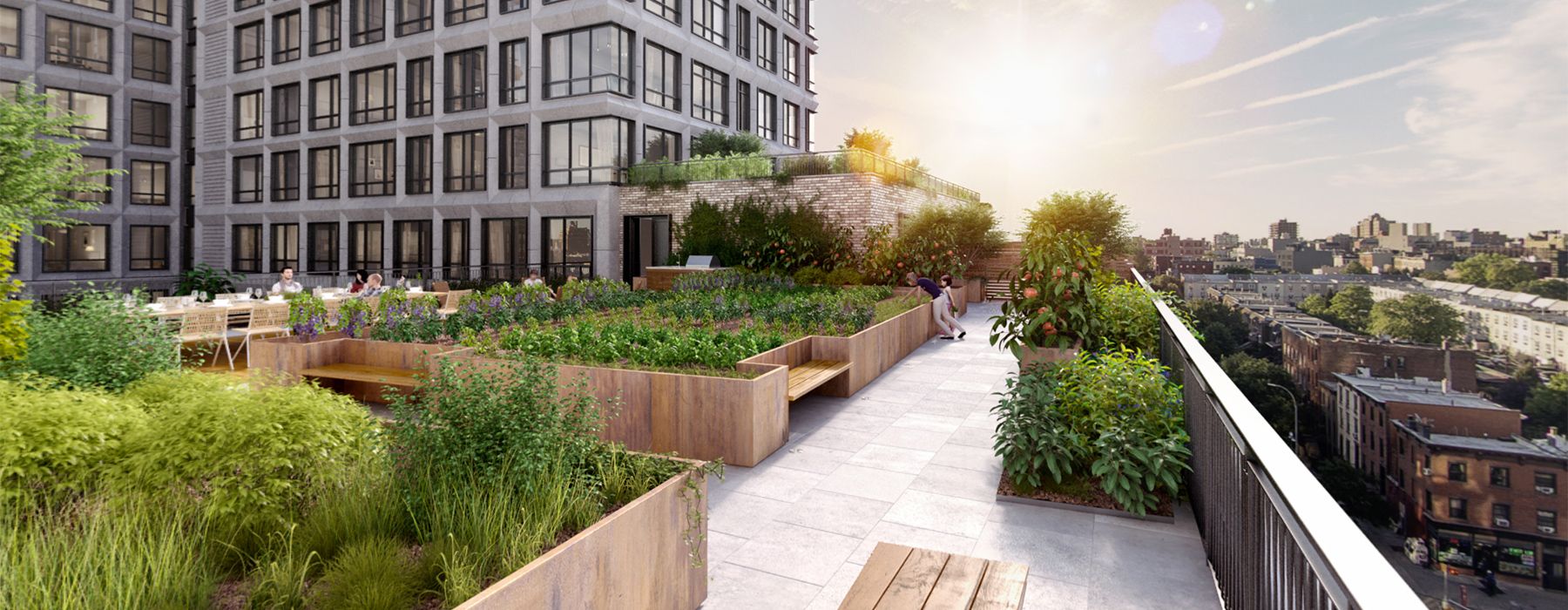
These experiments demonstrate the integral link between design (of urban spaces) and wellbeing. Activating blank spaces and streetscapes with greenery, coloured paint and other decorative features foster a sense of community identity, which promotes healthy living. This is best achieved when citizens are encouraged to co-design and care for such spaces.
Collaborative projects that encourage community engagement whilst also enhancing public spaces are a good way to promote physical and mental wellbeing.
 Design Practices: Identity