
IDEO! I’ve always had a fascination for this company, and I would love to do one of their internships once I graduate!
One problem at a time”
– IDEO Mantra
IDEO are at the forefront of “design thinking”, and they were challenged to redesign the shopping trolley in 5 days…
Aren’t they awesome?
Design thinking is hollistic, user-centric and in my opinion, a very thoughtful way to approach design. I enjoy that it designs around everything, not just the product or “outcome” that you might have originally been approached about.
I’ll use the example of Shimano, a leading Japanese manufacturer of bicycle components. They were experiencing declined growth in their traditional high-end road racing and mountain bike segments in the US market. They invited IDEO to collaborate with them to explore the changing cycling market for insight and new business strategy…
An interdisciplinary team of designers, behavioural scientists, marketers, and engineers set out to evaluate the constraints of the project. Instead of focusing on Shimano’s traditional market, the design team were interested in why 90 percent of American adults don’t ride bikes—despite the fact that 90 percent of them did as kids!
After spending time in the field with consumers, they discovered that even though most people had happy childhood memories of bike riding, they are now deterred from cycling for four main reasons— The retail experience; the complexity and excessive cost of the bike (and accessories); the danger of cycling on roads not designed for bicycles; and the demands of maintaining a sophisticated bicycle that might only be ridden on weekends. These insights revealed that a new category of bicycling might reconnect American consumers to their experiences as children, a completely untapped market !
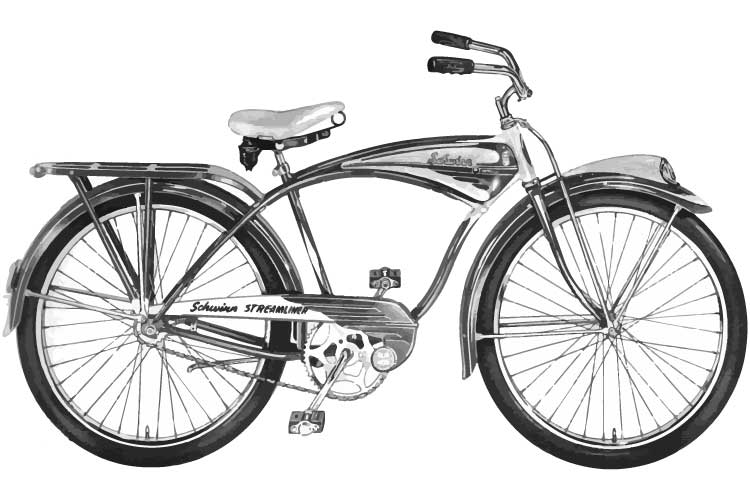
Based on the popular Schwinn bike model the “Coaster” which was popular in the past, the team came up with the concept of “coasting” which aimed to entice lapsed bikers back into an activity they remember as simple, straightforward, healthy, and fun.
Coasting bikes, built more for pleasure than for sport, would have: less controls on the handlebars, less cables and complex gears (as we remember from our earliest bikes) the brakes would be applied by back pedalling and handlebars upright, puncture-resistant tires, requiring almost no maintenance, etc etc. Additionally it incorporated a sophisticated new automatic transmission that shifts the gears as the bicycle gains speed or slows.
Three major manufacturers began developing the bicycle parts, but the team didn’t stop there… as holistic design thinkers they pressed ahead. On top of this they created in-store retailing strategies for independent bike dealers, in part to mitigate the discomfort that novices felt in retail settings built to serve enthusiasts; developed a brand that identified coasting as a way to enjoy life (“Chill. Explore. Dawdle. Lollygag. First one there’s a rotten egg.”); in collaboration with local governments and cycling organizations, it designed a public relations campaign promoting safe places to ride. (Remember those design problems? They pretty much went ahead and addressed all of them!).
Within a year of the bike’s successful launch, seven more manufacturers had signed up to produce coasting bikes.

My point is this: IDEO address things from all angles, and I believe that’s the best way to go about design. Always think about the user, always think about their needs, don’t just design the product, design the process and the experience.
 Design Practices: Identity